
To control a crowd as a security guard, establish clear communication and maintain a visible presence. Use barriers and signage to guide movements effectively.
Being a security guard involves more than just standing watch; it requires a strategic approach to crowd management. This crucial role demands quick thinking, effective communication, and a deep understanding of human behavior. Security guards must be adept at assessing situations, identifying potential threats, and acting swiftly to mitigate risks.
Their ability to control crowds not only ensures the safety of individuals but also maintains order during events, emergencies, or in everyday public spaces. By employing a mix of physical barriers, clear signage, and direct interaction, guards can guide crowds smoothly and prevent chaotic situations. This introduction sets the stage for a deeper exploration of the techniques and skills necessary for effective crowd control, a vital aspect of security work that demands both precision and empathy.
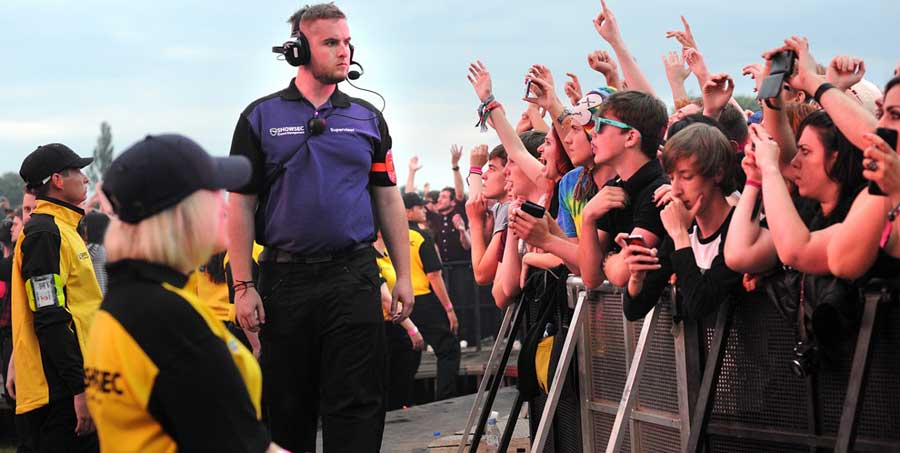
Credit: www.purplepass.com
The Role Of A Security Guard In Crowd Control
Security guards play a vital part in managing crowds. They keep events safe. Their presence deters potential disturbances. They guide the crowd. They react to emergencies. Guards ensure everyone enjoys the event without trouble.
Skills Required For Effective Management
Effective crowd control demands specific skills. Guards need excellent communication abilities. They must stay calm under pressure. They need quick decision-making skills. Physical fitness is also key. Guards must navigate through crowds swiftly.
Communication: Clear instructions are crucial.
Calmness: Keeps the situation under control.
Decision-Making: Quick thinking prevents escalations.
Physical Fitness: Enables fast response.
Understanding Crowd Dynamics
Guards must understand crowd behavior. This knowledge helps prevent issues. They spot potential risks early. They understand how crowds move. They can predict where problems may arise. This insight is crucial for safety.
Observe crowd mood.
Identify risk factors quickly.
Understand movement patterns.
Implement safety measures effectively.
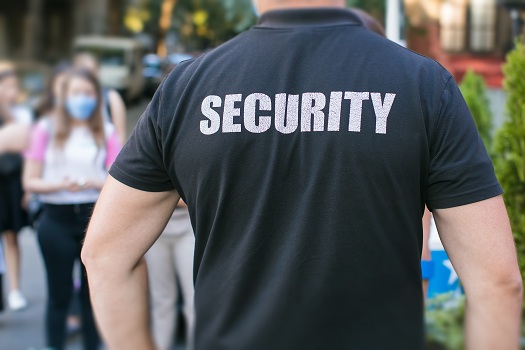
Credit: www.eagleeye247.com
Pre-event Planning Strategies
Ensuring safety at events starts with effective pre-event planning strategies. Security guards play a crucial role in crowd control, and their preparation can make all the difference. The strategies laid out in this section aim to create a safe environment for all attendees. Let’s dive into key planning tactics that security guards should consider before the event day.
Assessing The Venue For Potential Risks
Security starts with knowing the terrain. Guards must walk through the venue to identify risks. They should note down areas that could become overcrowded. Exits and entrances need clear marking for easy flow. Guards should check for any structural issues that could pose a threat. A thorough risk assessment forms the foundation of crowd control.
Map out all entry and exit points
Identify choke points that could cause congestion
Locate emergency equipment like fire extinguishers
Assess lighting conditions for evening events
Coordination With Other Security Agencies
Teamwork is key in security operations. Guards should meet with local law enforcement and other agencies before the event. This ensures a unified response to any incident. They should establish clear communication channels. Roles and responsibilities need definition to avoid confusion. Coordination enhances the overall security plan.
Set up pre-event meetings with all security personnel
Define areas of responsibility for each team
Establish a central command center for communication
Distribute a contact list to all members
Communication Techniques For Security Guards
Effective crowd control relies on sharp communication skills. Security guards need to direct, calm, and manage large groups efficiently. The right communication strategies are essential.
Using Verbal And Non-verbal Signals
Clarity and authority come through both spoken commands and body language. Here’s how:
Speak clearly, using simple words.
Project your voice to be heard over noise.
Use hand gestures to direct or stop crowds.
Maintain eye contact to show confidence.
Non-verbal cues support your verbal messages. They often speak louder than words.
Leveraging Technology For Better Coordination
Modern tools improve team communication. Here’s what guards use:
Technology | Use |
|---|---|
Two-way radios | Instant team updates. |
Earpieces | Discreet communication. |
Smartphones | Access to info and apps. |
Technology aids in real-time coordination. It enhances response times and decision-making.
Crowd Control Equipment Essentials
Effective crowd control is vital for security guards. It ensures safety at events and public spaces. Security guards need the right equipment to manage crowds. This gear helps maintain order and prevent chaos. Let’s explore the essentials for crowd control equipment.
Barrier Systems And Their Placement
Barrier systems guide and protect crowds. These include fences, barricades, and rope lines. Correct placement is key to directing flow and preventing bottlenecks.
Use steel barriers for high-traffic events.
Interlocking systems create sturdy lines.
Place signs for clear direction.
Guards must space barriers for quick exits. This allows for safe evacuation if needed.
Personal Protective Gear For Security Guards
Guards must wear protective gear for safety. This gear shields them from harm and helps in emergencies.
Body armor protects against impacts.
Wear helmets in crowd surges.
Gloves guard hands during physical contact.
Security guards also need communication devices. These keep them connected with their team. Radios and earpieces are essential for quick coordination.
De-escalation Strategies In Crowd Control
Security guards face challenges in managing crowds. Effective crowd control requires calm and strategy. De-escalation techniques can prevent situations from escalating. Here, we explore key strategies for crowd control.
Identifying Signs Of Agitation
Recognizing early signs of unrest is vital. It allows guards to respond quickly. Look for changes in body language, voice pitch, and group dynamics.
Shouting or loud talking may indicate rising tensions.
Pushing or shoving can signal aggression in a crowd.
Groups forming tight clusters could suggest planning for disruption.
Techniques To Calm Tense Situations
A calm presence is crucial in tense situations. Use these techniques to maintain order.
Technique | Description |
|---|---|
Communication | Use clear, concise language. Make eye contact. |
Body Language | Stay relaxed. Keep hands visible. Avoid aggression. |
Listening | Understand concerns. Acknowledge them. |
Space | Give people room. Avoid crowding. |
Handling Emergencies And Unexpected Situations
Security guards face emergencies and sudden events regularly. Their role is crucial in ensuring safety. Quick reactions and clear procedures are vital. This section covers how guards handle these situations effectively.
Quick Response To Medical Emergencies
In a medical crisis, seconds count. Security guards must act fast. They assess the situation and call for medical help. They provide first aid if trained. Their calm demeanor can reassure others.
Assess the person in need quickly
Call for medical assistance immediately
Administer first aid within their capability
Evacuation Procedures For Safe Exit
In an evacuation, guards lead the way. They know the routes and keep exits clear. Their loud and clear instructions guide everyone. They ensure a safe and orderly exit for all.
Initiate the evacuation protocol
Guide people to nearest exits
Keep exit paths unblocked
Legal And Ethical Considerations
Security guards play a key role in managing crowds. They must consider legal and ethical factors. This ensures safety and respect for all.
Understanding Rights And Responsibilities
Security guards need to know the law. They protect people and property. Their actions must always align with legal standards. Training in legal rights and responsibilities is essential.
Respect for individual rights
Understanding of public and private property laws
Knowledge of event-specific regulations
Clear communication with the public is crucial. This reduces misunderstandings. It also maintains a peaceful environment.
Navigating Use Of Force
Using force is sometimes necessary. But it must be justified and proportional. Guards must assess each situation carefully.
Scenario | Considerations | Action |
|---|---|---|
Minor Dispute | De-escalation techniques | Verbal warnings |
Physical Threat | Safety of others | Minimum force |
Illegal Activities | Legal consequences | Appropriate intervention |
Documentation of incidents is important. It protects the guard and the employer. It also ensures transparency and accountability.
Post-event Analysis For Continuous Improvement
Every security guard knows that managing a crowd involves more than just the event itself. Post-event analysis is crucial for honing skills and improving future events. This process allows security teams to reflect on their performance and identify areas for growth.
Gathering Feedback From Team Members
Gathering feedback is a vital step in post-event analysis. Security guards should hold a debriefing session to collect team insights. This meeting encourages open communication and sharing of experiences. Key observations and issues can surface during these discussions.
Discuss what worked well.
Identify challenges faced.
Share individual team member experiences.
Highlight areas for improvement.
Implementing Changes For Future Events
Feedback analysis leads to effective strategy adjustments. Security guards must prioritize these changes to enhance event safety. Implementing new practices can prevent past issues from repeating.
Issue Identified | Change Implemented | Expected Outcome |
|---|---|---|
Long wait times at entry | Increase entry points | Quicker access, happier attendees |
Confusion during emergency | Clearer signage and announcements | Better crowd control |
Regular training can help security guards adapt to these changes. It ensures that every team member is ready for new protocols. Practice makes perfect in crowd control.

Credit: cphsecuritygroup.com
Frequently Asked Questions
What Is The Role Of A Security Guard To Control The Crowd?
A security guard’s role in crowd control involves directing flow, enforcing safety rules, and responding to emergencies. They ensure smooth movement and prevent overcrowding, maintaining a secure environment for everyone present. Their presence deters disruptive behavior, contributing to the overall safety of the event.
What Is Crowd Control In Security?
Crowd control in security refers to the management of large groups of people to ensure safety and prevent chaos during events or in public spaces.
How Do You Handle Crowd Control?
To handle crowd control effectively, establish clear signage and barriers. Employ trained staff to guide and assist attendees. Utilize technology for real-time monitoring and response. Communicate rules and expectations clearly beforehand. Always have an emergency plan ready.
What Is The Golden Rule Of Security Guard?
The golden rule of security guards is to observe and report. They must stay vigilant, accurately note any incidents, and communicate effectively with authorities. This ensures safety and quick response to any security breaches or emergencies.
Conclusion
Controlling a crowd effectively is a crucial skill for security guards. By staying vigilant, communicating clearly, and understanding human behavior, guards can maintain order and safety. Remember, the right preparation and response can defuse tensions and prevent chaos. Keep these tips in mind, and you’ll master the art of crowd control in your security role.
Stay safe and in control.