
Security guard services need effective strategies to keep people and property safe. What types of strategy should a security guard service follow?
Let’s explore this important topic. Running a security guard service involves more than just placing guards at different locations. It requires a well-thought-out strategy to address various security challenges. These strategies ensure that security measures are not only efficient but also adaptable to different situations.
From risk assessment to client communication, each aspect plays a crucial role. By understanding and implementing the right strategies, security services can provide better protection and peace of mind. So, what are these key strategies? Let’s delve into them and see how they shape effective security guard services.
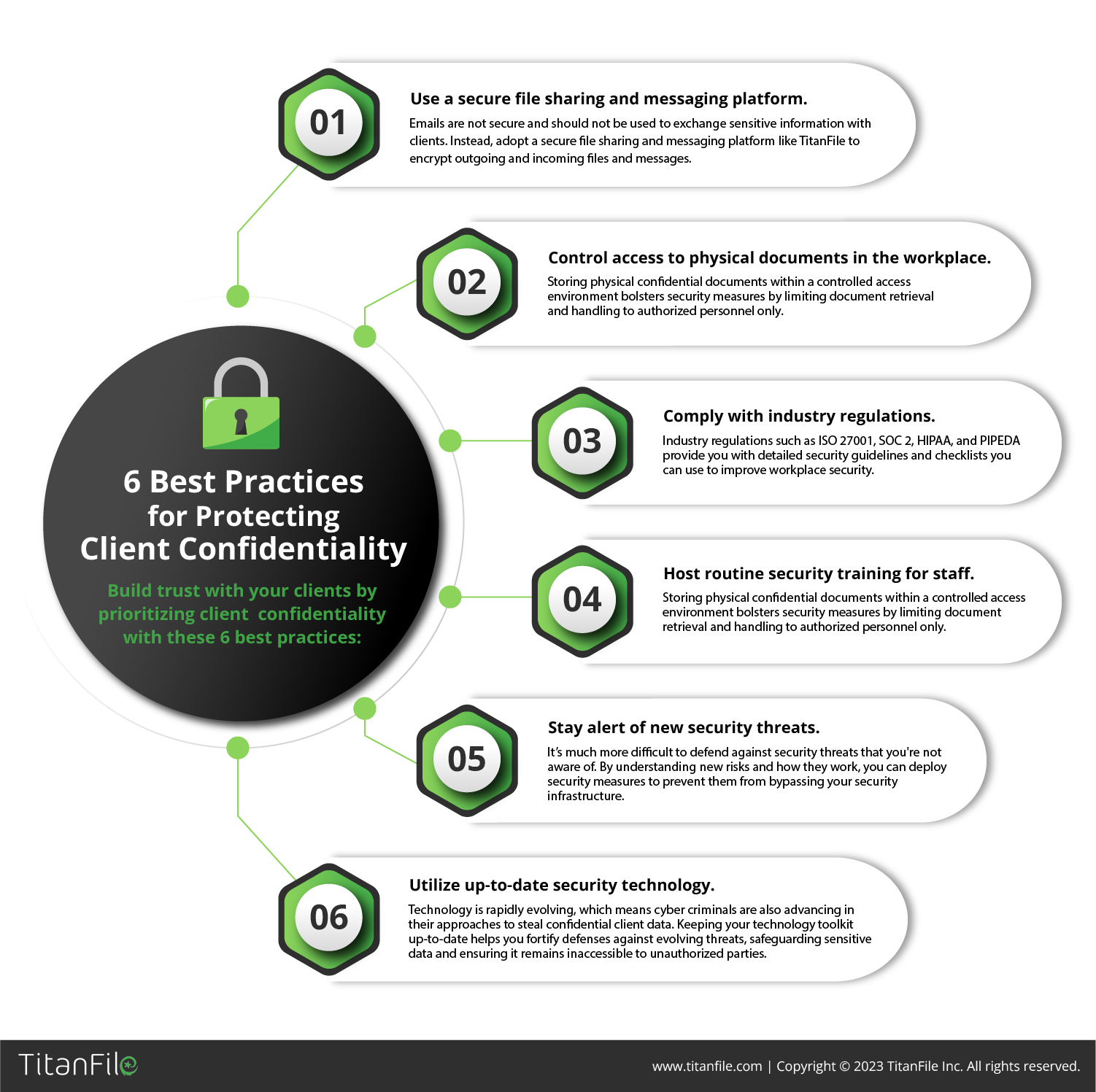
Credit: www.titanfile.com
Risk Assessment
A thorough risk assessment is crucial for any security guard service. It helps in identifying potential threats and vulnerabilities. This process ensures that guards are prepared to handle different situations. Effective risk assessment can prevent incidents before they occur.
Identifying Threats
Identifying threats involves understanding potential dangers. These could be theft, vandalism, or unauthorized access. Guards should stay alert to unusual activities. They must know the signs of potential threats. Regular training can help guards recognize these signs.
Evaluating Vulnerabilities
Evaluating vulnerabilities means finding weak points in the security system. These could be unmonitored areas or faulty equipment. Guards should inspect their surroundings regularly. They should report any vulnerabilities immediately. This helps in taking quick actions to fix them.
Customized Security Plans
When it comes to security guard services, one size does not fit all. Every client has unique needs and risks. That’s where Customized Security Plans come into play. These plans ensure that the security measures in place are tailored to the specific requirements of each client, providing optimal protection and peace of mind. Let’s explore the key components of creating effective customized security plans.
Tailored Solutions
Imagine trying to fit a square peg into a round hole—it just doesn’t work. The same goes for security strategies. A cookie-cutter approach might leave critical gaps. Tailored solutions are designed to address the specific vulnerabilities and needs of each client.
-
Understanding the unique layout of a property
-
Identifying specific threats or risks
-
Adapting to the client’s operational hours and routines
For instance, a retail store will have different security needs than a residential complex. By customizing the security plan, we ensure that all potential risks are mitigated effectively. This personalized approach not only enhances safety but also fosters trust and reliability between the security service and the client.
Client Consultation
The foundation of any customized security plan lies in thorough consultation with the client. It’s like having a heart-to-heart conversation to understand their concerns and expectations.
-
Initial Assessment: This involves a detailed discussion about the client’s environment, existing security measures, and any specific concerns.
-
Site Survey: A physical inspection of the premises helps identify vulnerable areas and potential entry points for intruders.
-
Feedback Loop: Regular meetings to discuss the effectiveness of the current security measures and any necessary adjustments.
During these consultations, it’s crucial to listen actively and ask the right questions. The more information you gather, the better the security plan you can create. It’s like piecing together a puzzle to form a complete picture of the client’s security needs.
In conclusion, customized security plans are essential for providing effective and reliable security services. By focusing on tailored solutions and thorough client consultations, security guard services can offer the highest level of protection. After all, there’s no such thing as being too safe, right?
Training Programs
When it comes to security guard services, one of the most important strategies to follow is having robust training programs. A well-trained guard is not only more efficient but also better prepared for any situation. Let’s dive into the key components that make up an effective training program.
Skill Development
Skill development is the cornerstone of any training program. Think of it as the foundation on which everything else is built. Guards need to develop a wide range of skills to handle their responsibilities effectively. From communication to physical fitness, each skill has its own significance.
-
Communication: Effective communication can de-escalate potential threats and improve teamwork.
-
Physical Fitness: A guard in good shape can respond more quickly and handle physical confrontations better.
-
Observation: Keen observational skills help in identifying suspicious activities before they escalate.
These skills are not just for show—they are practical, real-world abilities that guards use every day. It’s like having a toolbox where each tool is essential for the job.
Emergency Response
When an emergency strikes, there’s no time to think—only time to act. This is where emergency response training comes in. Guards must be prepared to handle various emergencies, from fire outbreaks to medical situations.
-
Fire Safety: Knowing how to use fire extinguishers and evacuate people can save lives.
-
First Aid: Basic first aid skills can make a huge difference in medical emergencies.
-
Evacuation Procedures: Guards should know the quickest and safest routes for evacuations.
Imagine a scenario where there’s a fire, and the guard doesn’t know what to do. Scary, right? Proper training ensures that guards can handle such situations without panicking. They become the calm in the storm.
To sum up, training programs are not just a checkbox on a list—they are a critical component of a successful security strategy. By focusing on skill development and emergency response, security guard services can ensure that their guards are always ready for whatever comes their way.
Credit: x.com
Technology Integration
In today’s fast-paced world, technology plays a crucial role in enhancing the effectiveness of security guard services. By integrating modern technology, security agencies can provide better protection, improve response times, and ensure a higher level of safety for their clients. This section will explore how surveillance systems and communication tools can be pivotal in achieving these goals.
Surveillance Systems
Surveillance systems are the backbone of any modern security strategy. These systems provide continuous monitoring and can deter potential threats before they escalate. Security guard services should invest in high-quality cameras and monitoring equipment to keep an eye on critical areas.
-
CCTV Cameras: These are essential for monitoring large areas and recording any suspicious activity. They serve as a reliable eye in the sky.
-
Motion Sensors: These devices can detect movement in restricted areas, alerting security personnel to potential intrusions.
-
Remote Monitoring: This allows security guards to monitor sites from a central location, ensuring a quicker response in case of an incident.
Imagine having a watchful eye that never sleeps, isn’t that reassuring? By deploying advanced surveillance systems, security services can offer peace of mind to their clients.
Communication Tools
Effective communication is vital for any security operation. Security guard services must ensure that their teams can communicate quickly and clearly, both internally and with external parties. This can be achieved through the use of modern communication tools.
-
Two-Way Radios: These are indispensable for real-time communication between guards. They allow instant coordination during emergencies.
-
Mobile Apps: Custom apps can facilitate reporting, incident logging, and instant messaging, making the communication process seamless.
-
GPS Tracking: This technology ensures that the location of each guard is always known, enhancing overall safety and coordination.
Ever tried to organize a team without clear communication? It’s like herding cats! With the right tools, security teams can operate like a well-oiled machine, ensuring prompt and efficient responses to any situation.
By integrating these technologies, security guard services can significantly enhance their operational efficiency and provide a higher level of security to their clients. It’s not just about keeping an eye on things; it’s about staying ahead of potential threats and ensuring swift action when needed.
Access Control
Access control is crucial for any security guard service. It helps prevent unauthorized entry and ensures the safety of the premises. Effective access control involves multiple strategies and technologies. Let’s discuss some key strategies under this subheading.
Entry Point Management
Entry point management involves monitoring all entrances and exits. Security guards should be stationed at key points. They must ensure only authorized individuals gain access. Surveillance cameras can assist in this task. Proper lighting at entry points is also essential. Guards should perform regular checks and patrols.
Credential Verification
Credential verification is another vital aspect. It involves checking IDs, badges, or electronic passes. Guards must be trained to identify fake credentials. This process helps confirm the identity of individuals entering the premises. Electronic systems can enhance this verification process. They provide an extra layer of security.
Patrol Strategies
When it comes to security guard services, patrol strategies play a crucial role in ensuring the safety and security of a property. The way patrols are conducted can significantly impact the effectiveness of a security team. Two common approaches are randomized patrols and scheduled patrols. Let’s dive into these strategies and understand their benefits and drawbacks.
Randomized Patrols
Randomized patrols are an excellent way to keep potential intruders on their toes. By varying the time and route of patrols, security guards create an unpredictable environment that can deter criminal activities. Here are some key points to consider:
-
Element of Surprise: Random patrols are less predictable, making it harder for criminals to anticipate when and where security will be present.
-
Increased Vigilance: Security guards remain more alert and engaged since their routines are constantly changing.
-
Flexibility: This strategy allows guards to adapt to different situations and respond quickly to any suspicious activity.
Imagine a burglar trying to plan a break-in. With randomized patrols, they never know when a guard might show up. It’s like trying to predict the weather in a tropical rainforest – good luck with that!
Scheduled Patrols
On the other hand, scheduled patrols bring a sense of routine and structure to security operations. This strategy involves setting specific times and routes for patrols. Here are some benefits:
-
Consistency: Scheduled patrols ensure that every area of the property is checked regularly, leaving no stone unturned.
-
Accountability: With a fixed schedule, it’s easier to track and document patrol activities.
-
Visibility: Regular patrols can create a sense of security for employees and residents, as they see guards making their rounds.
Think of scheduled patrols like a bus timetable. You know when and where the bus will be, which provides a sense of reliability and predictability. Similarly, scheduled patrols can reassure those on the property that their safety is taken seriously.
Ultimately, the choice between randomized and scheduled patrols depends on the specific needs and vulnerabilities of the property being protected. A combination of both strategies can also be an effective approach, leveraging the strengths of each to provide comprehensive security coverage.
Incident Reporting
Incident reporting is crucial for any security guard service. It ensures transparency and accountability. Accurate reports help in understanding security threats. They also aid in improving future strategies.
Documentation Protocols
Proper documentation protocols are essential. They ensure that every detail is recorded. This can be vital for future investigations. Security guards should use standardized forms. These forms should be easy to fill out and understand.
Include the date, time, and location in the report. Describe the incident clearly. Avoid jargon and complicated words. Use simple and direct language. Also, mention any actions taken during the incident.
Follow-up Procedures
Follow-up procedures are equally important. They ensure that the incident is resolved. Security guards should check if the issue has been addressed. They should also update the status in their reports.
Communicate with the affected parties. Confirm that everything is back to normal. Follow-up procedures also help in evaluating the effectiveness of the response. This can provide valuable insights for future incidents.
Customer Service
Customer service is crucial for any security guard service. It sets the tone for the client’s experience. Good customer service builds trust and long-term relationships. Security guards are often the first point of contact. They represent the company and its values.
Client Interaction
Client interaction is a key part of customer service. Security guards should be polite and respectful. They must listen to client concerns. Addressing these concerns quickly is important. Clear communication is essential. Guards should explain security procedures. This helps clients feel safe and informed. Regular feedback from clients can improve services.
Public Relations
Public relations go beyond direct client interaction. Security guards should maintain a professional appearance. This helps in building a positive image. They should also engage with the public. Answering questions and providing help creates goodwill. Guards can act as ambassadors for the security company. Positive public relations can attract more clients.

Credit: www.bmc.com
Frequently Asked Questions
What Are The 5 C’s For Security Guards?
The 5 C’s for security guards are: Communication, Control, Compliance, Competence, and Confidence. These principles ensure effective security operations.
How Can I Improve My Security Guard Service?
Train your guards regularly, use advanced technology, ensure effective communication, conduct background checks, and provide continuous feedback.
What Are The 4 P’s In Security?
The 4 P’s in security are People, Processes, Policies, and Products. They ensure comprehensive protection and risk management.
What Is The Golden Rule Of Security Guards?
The golden rule of security guards is to observe and report. Always stay vigilant, document incidents, and notify authorities.
Conclusion
Security guard services must prioritize thorough training and regular updates. Effective communication strengthens team coordination. Guards should stay alert and visible at all times. Technology aids in monitoring and reporting incidents. Collaboration with local authorities ensures better safety. Following these strategies helps maintain a secure environment.
Always stay proactive and vigilant.