
Hospital security guard services are vital for patient safety. They protect hospital staff and visitors too.
Hospitals are busy places with many people coming and going. This constant activity can create security challenges. Security guards help manage these challenges. They ensure that everyone inside the hospital is safe. Guards monitor entrances, handle emergencies, and control access to sensitive areas.
Their presence also deters crime and ensures a peaceful environment. When people feel safe, they can focus on getting or providing care. This makes security guard services crucial for hospitals. They play a key role in maintaining order and safety in a healthcare setting.
Role Of Hospital Security Guards
Imagine walking into a hospital, a place where lives hang in the balance every day. Among the many professionals ensuring everything runs smoothly, hospital security guards play a critical role. They are the quiet sentinels, ensuring safety and order in an environment that can be chaotic and stressful. But what exactly do they do? Let’s dive into the key responsibilities and daily duties of hospital security guards.
Key Responsibilities
Hospital security guards have a range of key responsibilities that ensure the safety and security of everyone within the hospital premises. These include:
Access Control: They monitor who enters and leaves the hospital, ensuring unauthorized persons are kept out.
Emergency Response: In case of emergencies like fire or medical incidents, they are the first responders, ensuring everyone remains safe.
Surveillance: They keep an eye on the hospital through CCTV cameras and regular patrols to detect any suspicious activities.
Conflict Resolution: They manage and resolve conflicts, whether between patients, visitors, or staff, maintaining a peaceful environment.
Daily Duties
On a daily basis, hospital security guards perform a variety of daily duties that keep the hospital secure and orderly. These tasks include:
Patrolling: Regularly walking through the hospital to ensure everything is in order.
Monitoring Surveillance: Watching CCTV footage to spot any unusual activity.
Assisting Visitors: Helping visitors navigate the hospital, providing directions, and answering questions.
Checking Locks and Alarms: Ensuring all locks and alarms are functioning properly.
Report Writing: Documenting any incidents or suspicious activities in detailed reports.
Each of these tasks is performed with a high level of dedication and professionalism. It’s not just about preventing theft or vandalism; it’s about creating a safe environment where healthcare professionals can focus on saving lives.
So next time you visit a hospital, take a moment to appreciate these unsung heroes. They might not wear capes, but they certainly play a heroic role in keeping the hospital a safe place for everyone.

Credit: xpressguards.com
Preventing Unauthorized Access
When it comes to hospital security, preventing unauthorized access is a top priority. Think about it – hospitals are bustling environments with sensitive areas that require strict control. Unauthorized access can lead to a range of issues, from patient safety risks to data breaches. Hence, having robust security guard services in place is crucial. Let’s dive into some key aspects of how security guards help in preventing unauthorized access.
Access Control
Hospital security guards play a vital role in access control. They monitor entry and exit points to ensure only authorized personnel and visitors gain access. By doing so, they help maintain a secure environment. Here are a few ways they achieve this:
Checking identification badges.
Operating and monitoring security checkpoints.
Using surveillance systems to keep an eye on restricted areas.
Imagine a scenario where someone tries to sneak into a restricted area. A vigilant security guard can quickly identify and stop them, preventing potential harm or security breaches. It’s like having a guardian angel at the hospital gates!
Visitor Management
The importance of visitor management cannot be overstated. Hospitals see a high volume of visitors daily – from family members to delivery personnel. Without proper management, it can turn chaotic. Security guards streamline the process by:
Registering visitors upon arrival.
Issuing visitor passes and guiding them to their destinations.
Ensuring visitors adhere to hospital policies.
Remember that one time you got lost trying to find a patient room? With security guards managing visitors, such confusions are minimized. They ensure everyone is where they need to be, and no one is wandering into restricted zones.
In conclusion, hospital security guard services are indispensable in preventing unauthorized access. Through effective access control and visitor management, they safeguard both the patients and the hospital staff. Next time you see a security guard at a hospital, take a moment to appreciate their role in keeping the place secure and orderly.
Emergency Response
Emergency response in hospitals is crucial. Security guards play a vital role. They ensure safety and quick action during emergencies. Their presence reassures patients, staff, and visitors. Guards are trained for various scenarios. This training includes handling medical emergencies and fire and evacuation procedures.
Handling Medical Emergencies
Security guards are often first responders. They provide immediate help during medical crises. Guards know basic first aid and CPR. This training is essential for saving lives. Quick action can prevent further harm. Guards also assist medical staff. They help manage the situation until professionals arrive. Their role is vital in stabilizing patients.
Fire And Evacuation Procedures
Fire safety is another critical area. Hospital security guards are trained in fire response. They know how to use fire extinguishers. They also understand evacuation routes. Guards help direct people to safety. They keep order during chaos. Their training includes handling various fire scenarios. This preparation ensures a swift and safe evacuation. Guards also work with local fire departments. They provide crucial information during emergencies. This collaboration saves lives and property.
Protecting Patients And Staff
In any healthcare setting, the safety of patients and staff is paramount. Hospitals are bustling environments where emotions can run high, and unexpected situations can arise. That’s where hospital security guard services come in. They play a crucial role in ensuring a safe and secure environment, allowing healthcare professionals to focus on what they do best – caring for patients. But what exactly makes these services so important?
Violence Prevention
Violence in hospitals is a growing concern worldwide. High-stress situations can sometimes lead to aggressive behavior from patients or visitors. Hospital security guards are trained to identify potential threats and take action before situations escalate. Their presence alone can deter violent acts, making the hospital a safer place for everyone.
Guards monitor hospital entrances and exits.
They perform regular patrols to ensure no suspicious activities.
They are equipped to handle emergencies swiftly.
De-escalation Techniques
Not all conflicts require physical intervention. In fact, many situations can be resolved through effective communication. Hospital security guards are skilled in de-escalation techniques, which help to calm tense situations without the need for force.
They use a calm and steady tone to communicate.
Active listening is key – understanding the concerns of the agitated person.
Offering solutions and alternatives can often defuse anger.
Imagine a scenario where a patient’s family member is upset due to a delay in treatment. A security guard steps in, listens to their concerns, and explains the situation in a reassuring manner. This approach can prevent a potentially volatile situation from escalating further.
In conclusion, hospital security guard services are vital in protecting patients and staff. They prevent violence, use de-escalation techniques, and provide a sense of security. This ensures that healthcare professionals can focus on delivering quality care, knowing that the safety of everyone in the hospital is being looked after.
Safeguarding Hospital Property
When it comes to hospitals, the primary focus is, of course, patient care. However, ensuring the safety and security of hospital property is equally important. This is where hospital security guard services come into play. They are the unsung heroes who protect valuable assets, sensitive information, and equipment that are crucial for daily operations. Let’s delve into the importance of safeguarding hospital property and how security guard services play a pivotal role in this aspect.
Theft Prevention
Hospitals house a myriad of expensive equipment, from MRI machines to surgical instruments. These are not just costly but also vital for saving lives. Theft of such equipment can cripple hospital operations. Security guards are trained to deter theft through vigilant monitoring and prompt intervention. Imagine a scenario where a thief attempts to steal a piece of medical equipment. A well-trained security guard can quickly identify the threat and take necessary actions to prevent the theft, ensuring that the hospital’s resources remain intact.
Surveillance Systems
Effective surveillance is the backbone of hospital security. Security guards are adept at monitoring surveillance systems to ensure continuous protection. Through the use of CCTV cameras and other monitoring tools, they keep an eye on every nook and corner of the hospital. This not only helps in identifying suspicious activities but also in maintaining a safe environment for patients, staff, and visitors. Have you ever noticed those cameras in the hospital corridors? They aren’t just for show; security guards are constantly watching those feeds to ensure everything runs smoothly.
In conclusion, hospital security guard services are indispensable when it comes to safeguarding hospital property. From preventing theft to monitoring surveillance systems, they play a crucial role in maintaining the integrity and safety of hospital operations. So next time you see a security guard in a hospital, remember, they are there to protect not just the patients but also the invaluable resources that help save lives.

Credit: www.guard24.ca
Compliance With Regulations
Why are hospital security guard services so crucial? It’s not just about keeping things calm and orderly. One of the biggest reasons is compliance with regulations. Hospitals must follow strict rules and standards. Without security guards, it would be tough to meet these requirements. Let’s dive deeper into why these regulations are so vital.
Legal Requirements
Hospitals have to follow many laws. These laws are there to protect patients, staff, and visitors. A good security team knows these laws inside and out. They make sure that the hospital is always in compliance. This means everything from handling emergencies to preventing theft. Without proper security, a hospital could face hefty fines or even lose its license.
Safety Standards
Safety standards are another big reason why security guard services are important. Hospitals are places of healing, but they can also be places of danger. Security guards help maintain a safe environment. They monitor entrances, check IDs, and respond to incidents quickly. This keeps everyone safe, which is a top priority in any healthcare setting.
Imagine a hospital without security guards. It would be chaos. Patients would feel unsafe. Staff would be distracted. Visitors might get lost or cause trouble. Security guards ensure that everyone follows the rules. They help create a secure and orderly environment.
To sum it up, hospital security guards are essential for compliance with regulations. They help the hospital meet legal requirements and maintain safety standards. Without them, it would be nearly impossible to provide the high level of care that patients expect and deserve. So next time you see a security guard at a hospital, remember how important their job really is.
Training And Qualifications
Hospital security guards play a crucial role in ensuring safety. Their training and qualifications determine their effectiveness. Properly trained security guards can handle various situations. They provide peace of mind to patients, staff, and visitors.
Essential Skills
Hospital security guards need several essential skills. Communication skills are vital for handling different situations. Guards must stay calm and composed during emergencies. They also need strong observation skills to detect potential threats.
Physical fitness is another important skill. Hospital security guards must be able to respond quickly. They might need to restrain aggressive individuals. Understanding medical terminology can also be beneficial. This helps in better coordination with hospital staff.
Certification Programs
Security guards should complete certification programs. These programs ensure they meet industry standards. Certified guards are more reliable and professional. Certification programs cover various topics. They include first aid, emergency response, and conflict resolution.
These programs also provide practical training. Guards learn how to handle real-life scenarios. They practice skills in controlled environments. This prepares them for actual situations they might face in a hospital. Certification programs ensure guards are well-prepared and effective.
Technology In Hospital Security
In today’s world, the role of technology in hospital security cannot be overstated. Hospitals are bustling centers of activity, with patients, staff, and visitors coming and going at all hours. Managing security in such a dynamic environment is no small task. Thankfully, technological advancements have made it possible to bolster hospital security in ways that were unimaginable just a few years ago. From advanced security systems to the integration of medical equipment, technology plays a pivotal role in keeping hospitals safe and secure.
Advanced Security Systems
One of the most significant advancements in hospital security is the implementation of advanced security systems. These systems often include:
Surveillance Cameras: High-definition cameras placed strategically throughout the hospital to monitor activities in real-time.
Access Control: Electronic systems that restrict entry to sensitive areas, ensuring only authorized personnel can access them.
Alarm Systems: Integrated alarms that can quickly alert security personnel to any unauthorized access or suspicious activities.
These systems not only help in preventing potential threats but also create a sense of security for patients and staff. Imagine a scenario where a security breach occurs; advanced systems can quickly detect and respond, minimizing risks and ensuring swift action.
Integration With Medical Equipment
Technology has also paved the way for the seamless integration of security measures with medical equipment. This integration brings a multitude of benefits:
Equipment Tracking: Hospitals can now track their expensive medical equipment using RFID tags and GPS technology. This reduces the chances of theft or misplacement.
Patient Monitoring: Security systems can be linked with patient monitoring devices, ensuring that any unusual activity or vital sign fluctuation is immediately flagged for attention.
Emergency Response: In case of emergencies, integrated systems can provide real-time data to security teams, helping them respond more efficiently.
Consider this: if a high-value piece of medical equipment is moved from its designated area, the system can instantly alert the security team. This not only helps in recovering the equipment swiftly but also deters potential thefts.
In conclusion, the adoption of technology in hospital security is essential for ensuring a safe and secure environment. By leveraging advanced security systems and integrating them with medical equipment, hospitals can enhance their security measures, protecting patients, staff, and valuable assets. It’s a smart move that brings peace of mind and a safer healthcare environment for everyone.
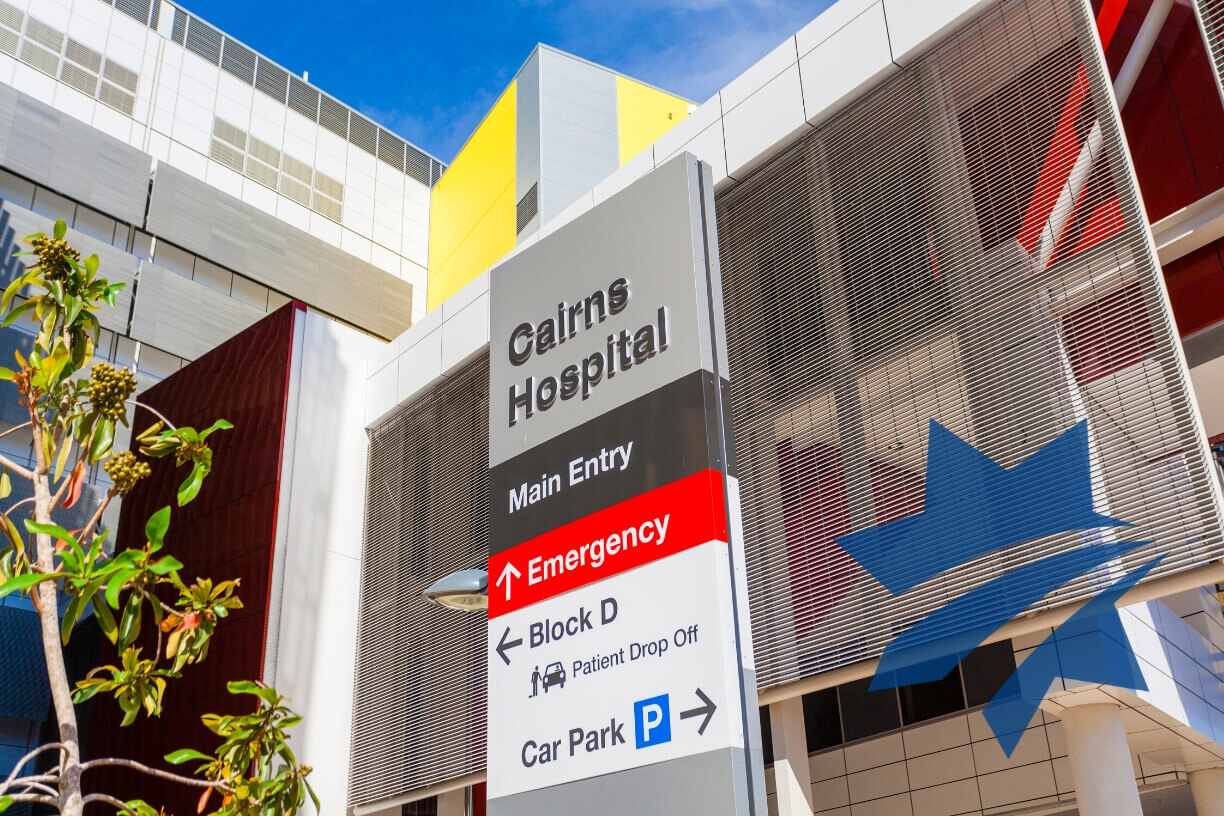
Credit: leadstarsecurity.com
Frequently Asked Questions
Why Is Security Important In Healthcare?
Security is crucial in healthcare to protect patient data, ensure privacy, and prevent cyberattacks. It safeguards sensitive information and builds trust.
What Is The Importance Of Security Services?
Security services protect people, property, and information. They deter crime, ensure safety, and offer peace of mind. These services mitigate risks and enhance overall security.
What Is The Role Of Hospital Security?
Hospital security ensures the safety of patients, staff, and visitors. They prevent unauthorized access and handle emergencies.
Why Is Safety Important In Hospitals?
Safety in hospitals prevents medical errors, reduces infections, and protects patients and staff. It ensures quality care and builds trust.
Conclusion
Hospital security guard services are essential for patient and staff safety. They deter crime and ensure a secure environment. Trained guards handle emergencies efficiently, offering peace of mind. Hospitals face unique security challenges that require professional solutions. With dedicated security, hospitals can focus on patient care.
Security guards are vital for a safe and effective healthcare environment. Ensure your hospital prioritizes safety with skilled security personnel.